


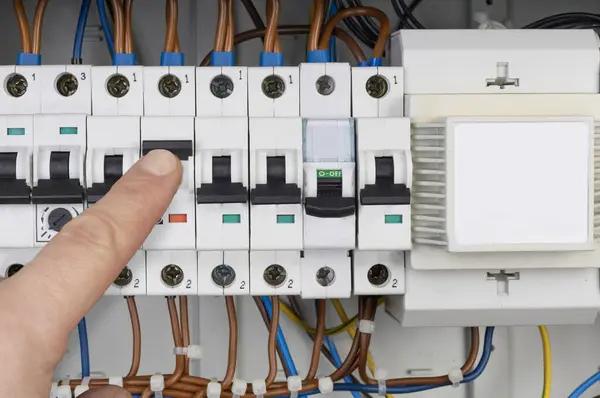
Upgrading a residential electrical system is a crucial step for homeowners aiming to enhance safety, improve efficiency, and accommodate modern technology demands. Over time, electrical needs evolve as households incorporate more electronic devices, smart home systems, and energy-efficient appliances. Understanding when and how to upgrade your electrical system can prevent hazards such as electrical fires, overloads, and frequent circuit breaker trips, while also ensuring your home remains functional and comfortable.
One of the primary reasons for upgrading an electrical system is to increase the capacity of the electrical panel. Older homes often have panels rated at 60 or 100 amps, which may be insufficient for today’s power consumption. Upgrading to a 200-amp panel or higher allows the system to handle more circuits and higher loads safely. This upgrade provides the flexibility to add new appliances, electric vehicle chargers, or additional lighting without overloading the system. It is advisable to consult a licensed electrician to evaluate your current panel’s capacity and recommend an appropriate upgrade.
Lighting Installation in Southern Pines
Another important consideration is the condition and type of wiring throughout the house. Many older homes still have outdated wiring materials such as knob-and-tube or aluminum wiring, which pose safety risks and do not comply with current electrical codes. Replacing visit website these with modern copper wiring enhances safety, reduces the risk of short circuits, and improves overall electrical performance. This process might involve opening walls or ceilings but results in a safer and more reliable electrical infrastructure.
Installing ground fault circuit interrupters (GFCIs) and arc fault circuit interrupters (AFCIs) is a critical safety upgrade for residential electrical systems. GFCIs protect against electric shock in areas with water exposure, such as kitchens, bathrooms, and outdoor spaces. AFCIs detect electrical arcs often caused by damaged wiring or loose connections and help prevent electrical fires. Upgrading outlets and breakers to include these devices aligns your home with current safety standards and provides peace of mind.
Additionally, upgrading lighting fixtures and switches to energy-efficient LED technology can reduce electricity consumption and lower utility bills. Smart switches and outlets offer enhanced control over home lighting and appliances, allowing remote operation and automation, which contributes to convenience and energy savings.
In summary, upgrading a residential electrical system involves evaluating the panel capacity, replacing outdated wiring, installing safety devices such as GFCIs and AFCIs, and incorporating energy-efficient technologies. These improvements not only enhance safety and compliance with electrical codes but also support the increasing electrical demands of modern homes. Engaging a qualified electrician to assess your home and perform upgrades is essential to ensure the work is done safely and effectively.
After Hours Electrical, LLC
220 E Illinois Ave #17, Southern Pines, NC 28387
910-303-7722